Training tips that triumph
Memory science, microlearning and what actually makes workplace training stick.

Top 5 Learning & Development Trends for 2024
As a training manager, it’s important to stay up-to-date with the latest learning and development trends to ensure your team is providing the best training possible. With technology advancing at a rapid pace, it can be challenging to keep up with the latest trends in your industry. In this blog post, we’ll discuss the top five learning and development trends to watch out for in 2024, including neuroadaptive learning, AI and automation, personalized learning pathways, and microlearning. Knowledge of these trends will help you keep your training programs up-to-date and improve your learners’ overall training experience. Microlearning Another trend that is gaining momentum in the L&D field is microlearning. Microlearning is an approach that provides learners with bite-sized training material that is easy to consume and absorb quickly. Typically, these modules range from three to seven minutes and are designed to help learners build on their skills and knowledge in a short period. Microlearning makes learning more convenient and accessible, ensuring that employees always have time to squeeze in training into their workday, boosting the learning outcome and desired objectives. Neuroadaptive learning One trend that is expected to become more prevalent in the L&D field is neuroadaptive learning.

Must Know Onboarding Statistics 2023
Employee onboarding is a critical process that sets the stage for an employee’s journey with a company. It involves integrating new hires into the organization, providing them with the necessary tools, knowledge, and support to succeed in their roles. In this long-form blog, we will explore the top must-know onboarding statistics that highlight the importance of effective onboarding practices. These statistics will shed light on the benefits of investing in a robust onboarding program and provide valuable insights for organizations looking to optimize their onboarding processes. 1. The Impact of a Strong Onboarding Program A strong employee onboarding program can have a profound impact on an organization. It sets the stage for new hires to feel welcomed, supported, and equipped to contribute effectively from day one. From the moment an employee joins the company, a well-designed onboarding program ensures they are provided with the necessary resources, training, and information to understand their role and responsibilities. This not only boosts their confidence but also accelerates their integration into the team and the overall organizational culture. Additionally, an effective onboarding program nurtures a sense of belonging and engagement among employees, leading to higher retention rates and increased productivity. By investing in

Microlearning Can Enhance Car Dealership Sales Training
The world of car sales is constantly evolving and keeping up with the latest trends and techniques is vital for success. Sales training is an essential aspect of any car dealership, but traditional methods of training can be time-consuming, costly, and often ineffective. This is where the concept of microlearning comes into play. In this blog post, we will explore why microlearning can be a game-changer in car dealership sales training. Bite-sized learning One of the main advantages of microlearning is that it offers bite-sized learning modules that are easy to digest and retain. These short bursts of learning can be accessed on the go, allowing salespeople to complete their training in short intervals whenever they have the time. This approach is particularly well-suited for car dealerships, where salespeople are often busy and on-the-go, dealing with customers and other aspects of their job. Customizable content Microlearning materials can be customized to meet the specific needs of car dealership sales teams. Sales managers can tailor content to the needs of their salespeople, ensuring that they receive training on the products and services that their dealership offers. This makes training more relevant and effective and helps salespeople to improve their

Must-Know Statistics About Sales Training for Car Dealerships
Sales training is essential in any industry, especially in car dealerships where salespeople are dealing with a high priced product. However, even with the importance of sales training, not all dealerships invest in it. According to statisticbrain.com, only 10% of salespeople receive formal sales training. One reason for this could be the lack of understanding of how sales training can affect a dealership. In this blog post, we’ll dive into some must-know statistics about sales training for car dealerships and why it’s essential. 1) Training Improves Sales Conversion Rate According to a recent survey by HubSpot, companies that provide training for sales reps see a 17% increase in the conversion rate of the sales team compared to those who don’t. Training allows salespeople to modify their approach and messaging, leading to more effective sales conversations. 2) Salespeople Retain Only 10% of Sales Training Lessons Based on research by the Association for Talent Development, salespeople typically forget 87% of what they’ve learned within a month of the training. The only way to combat this is through repetition and reinforcement of the learned concepts. Dealerships who provide continuous training through ongoing courses, mentorship programs, or coaching can help increase retention rates

Improve Your Team’s Performance in the Automotive Industry
Organizing training programs tailored to the specific needs of your workforce can be a complex task, especially in the automotive industry where dispersed workforces and logistical challenges are common. As senior managers, you need a reliable way to deliver consistent, high-quality training to all employees, enabling successful manufacturing, sales, and exceptional customer service. Attracting and retaining talented individuals is crucial for the automotive industry. According to Automotive News, employee turnover costs dealerships an average of over $500k in gross profit annually. This turnover significantly impacts dealerships, resulting in wasted training expenses, inexperienced sales staff, and a lack of continuity with customers, ultimately leading to lost vehicle sales. Research shows that knowledgeable employees can sell up to 87% more compared to their less informed counterparts. Additionally, poor employee retention can cost car dealerships up to $800k per year. Moreover, 73% of buyers consider customer experience as a vital factor in their purchasing decisions. Introducing Wranx: The Solution for Your Training Needs Wranx is an innovative tool designed to educate your employees using a scientifically proven knowledge retention technique called Spaced Repetition. With Wranx, you can provide continuous training and convenient online learning experiences to your workforce, accessible through any

Benefits of Running Health and Safety Training through E-Learning
With the emergence of technology, there has been a shift towards digital methods of learning. One of the growing trends in health and safety training is e-learning. E-learning has become increasingly popular due to its flexibility, convenience, and cost-effective nature. In this blog, we’ll outline the benefits of e-learning when it comes to health and safety training. Flexibility in Scheduling One of the most significant benefits of e-learning is flexibility. Unlike traditional classroom-style training, e-learning allows participants to learn at their convenience. Employees can complete training at their own pace, on their own time, and in the comfort of their own workspace. This flexibility makes complying with mandatory training requirements less of a burden and less disruptive to the daily operations of the business. Consistency in Content Delivery E-learning ensures that every employee receives the same content. With traditional training, trainers deliver content that can differ from one session to the next. E-learning modules have standardized content and assessments. The consistency of the content increases comprehension and retention by eliminating any misinterpretations or biases. Cost-effective and Time-efficient Traditional training can often be expensive, as it requires travel, training facilities, trainers, and published guides. E-learning reduces the

How Can Wranx Help You Measure and Improve Employees’ Learning Performance?
Training has become an essential aspect of every organization’s growth and success. It enhances the skills and capabilities of employees, inspiring them to contribute more effectively to their teams. The traditional methods of measuring employee learning and development progress may not be very effective in today’s dynamic and fast-paced environment. Moreover, with remote work, tracking employee performance has become more challenging. Fortunately, Wranx analytics can help measure employee learning performance, eliminating the gaps in traditional methods of assessment. Analyzing Employee Performance Wranx analytics uses data to measure employee learning performance by analyzing the results of employee surveys and assessments. The platform provides in-depth insights on the progress of each employee in terms of skills, knowledge, and competency development. The system evaluates key metrics such as learning engagement, knowledge retention, and performance improvement, providing an accurate overview of the ROI generated from employee training programs. Identifying Skills Gaps Wranx analytics helps identify the skills gaps of each employee, highlighting the areas where they need improvement. The system creates personalized training plans based on the individual needs of employees, making it easier for them to acquire new skills and knowledge. As a result, the organization can allocate resources and funds

Accelerating Employee Learning with Microlearning and Spaced Repetition
Today’s fast-paced environment demand employees that can keep up with the latest trends and evolving technologies. Organizations require their employees to learn and adapt to new processes quickly as it impacts their bottom lines. Ineffective employee training can result in a lack of engagement, poor productivity, reduced job satisfaction, and high employee turnover rates. Microlearning and spaced repetition are two techniques that organizations can use to improve employee training and accelerate learning. Microlearning Microlearning is a modern learner-centric approach that involves providing employees with small, bite-sized learning modules. These modules usually last between 5-10 minutes and provide a narrow focus on a specific learning objective. Microlearning has been proven to be more effective than traditional learning approaches because it leverages principles such as attention, memory, and motivation to improve learning outcomes. It is particularly useful in bite-size segments, given that it caters to the reduced attention span of modern workers. Spaced Repetition Spaced repetition is a critical concept in learning, which aids in remembering and retaining information for a more extended period. It works through the repetition of learning materials over and over again, spaced out over time. This technique helps with the recall of information, as revisiting

Empower Retail Employees With Product Knowledge Training
Did you know that employees with extensive knowledge can boost sales by up to 87% compared to their less knowledgeable counterparts? It’s no wonder customers get frustrated when they have to repeat their issues to multiple representatives, with 89% admitting to feeling that way. This knowledge gap is significant because, with more knowledge, comes the ability to upsell and cross-sell, potentially increasing promotional purchasing by a whopping 200-300%. But it’s not just about sales. Product and service knowledge plays a vital role in delivering excellent customer service, a fact acknowledged by 75% of customers. By investing in training to enhance knowledge, businesses can distinguish themselves and improve customer retention. And it’s not only customers who benefit; employees who possess in-depth knowledge are more likely to be passionate about what they sell, leading to increased employee morale. As a result, these engaged employees are 59% less likely to start searching for new job opportunities within the next year. More knowledgeable employees can sell up to 87% more than their less knowledgeable colleagues 89% of customers say they get frustrated when they have to repeat their issues to multiple representatives Upselling can increase promotional purchasing by 200-300% Develop your retail

Effective Retail Training for Disparate Workforces
In the retail industry, maintaining high performance can be challenging due to the dispersed nature of the workforce. This poses additional challenges for companies, particularly in terms of onboarding and reinforcing training. With constant product updates and evolving practices, it is crucial for a company’s long-term survival to effectively deliver new information to employees while ensuring consistency and quality. This can be achieved through digital training. At Wranx, we transform your training content into a digital format and deliver it to learners. Our unique platform breaks down training into manageable pieces, which are repetitively shown to learners over time. Through our “daily drills,” all learners receive the same content, regardless of their location. This allows you to have full visibility into what your employees are learning and eliminates the need to send trainers across the globe. Here, There, Everywhere Effective communication can be a formidable hurdle for businesses with a disparate workforce. Let’s consider this scenario: You oversee a specialty clothing company with an upcoming major product launch. Ensuring the right information reaches all store employees is crucial. Unfortunately, despite an initial training session, there is no follow-up reinforcement to help them retain the knowledge. Customers often evaluate a
How to Effectively Onboard Retail Christmas Staff
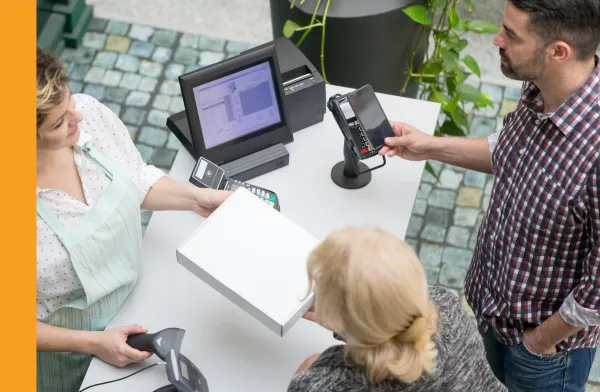
The holiday season is a busy time for retailers, requiring additional staff members to accommodate the influx of shoppers. Seasonal staff or temporary employees are often new hires that require onboarding and training to ensure they are ready to work efficiently and effectively during the period of high sales. Unfortunately, traditional onboarding methods can be time-consuming and overwhelming for both employers and new hires. This is where Wranx comes in. Wranx is microlearning learning platform that makes onboarding quick, engaging and tailored to your specific business needs. In this blog, we will explore how to effectively onboard retail Christmas staff with Wranx. Create a Customized Learning Plan The first step to effectively onboard retail Christmas staff is to create a customized learning plan. With Wranx, you can easily create a learning plan that fits your business needs and aligns with your sales objectives. The platform allows you to customize content, assign training modules, and monitor progress effectively. Wranx uses Spaced Repetition training, with algorithms that aid in memory retention, ensuring that the training sticks with your staff. Personalize the Experience No two learners are the same, everyone picks up information at different paces, so it’s important that your

Boost Employee Onboarding with Microlearning
Onboarding plays a critical role in the success of any organization. It helps new employees acquire the necessary knowledge and skills, and integrate into the organizational culture quickly. However, traditional onboarding methods no longer suffice in today’s fast-paced world. With the emergence of technology, employers need to leverage digital tools to improve employee onboarding while minimizing the time and resources required. Microlearning has emerged as one of the most effective techniques in recent years. This blog post will explore how microlearning can boost employee onboarding and provide strategies for implementing it successfully. Why Microlearning Works for Onboarding Microlearning provides bite-sized content to learners. It presents information in smaller chunks, making it easier to digest and retain. Rather than overwhelming new employees with prolonged and often dull training sessions, microlearning offers more engaging and interactive options that align with today’s short attention spans. By using engaging videos, infographics, and quizzes that can be accessed anytime, anywhere, microlearning makes learning fun and interactive. Strategies for Implementing Microlearning To make the most of microlearning in onboarding, you need to develop a strategy. Here are some tips for implementing it effectively:a. Identify the critical content that new employees need to learn to
Reading about it is the easy part
See what daily retrieval practice looks like running on your own training content.