How to Choose an Online Employee Training Platform

In the fast-evolving landscape of workforce development, choosing the right online employee training platform is a critical decision for organizations aiming to stay ahead. The multitude of options available can be overwhelming, making it essential to carefully evaluate platforms based on specific organizational needs and goals. This guide will walk you through the key considerations to help you make an informed decision when selecting an online employee training platform.
1. Identify Your Training Objectives
Define Your Training Goals
Begin by clearly defining the objectives of your employee training program. Whether it’s upskilling, compliance training, or onboarding, understanding your organization’s specific needs will guide you in choosing a platform that aligns with your goals.
Assess Skill Levels and Knowledge Gaps
Conduct a comprehensive assessment of your workforce’s current skill levels and identify knowledge gaps. This will enable you to select a platform that offers personalized learning paths, ensuring targeted and effective training for each employee.
2. Consider User-Friendly Interface and Accessibility
Intuitive User Interface
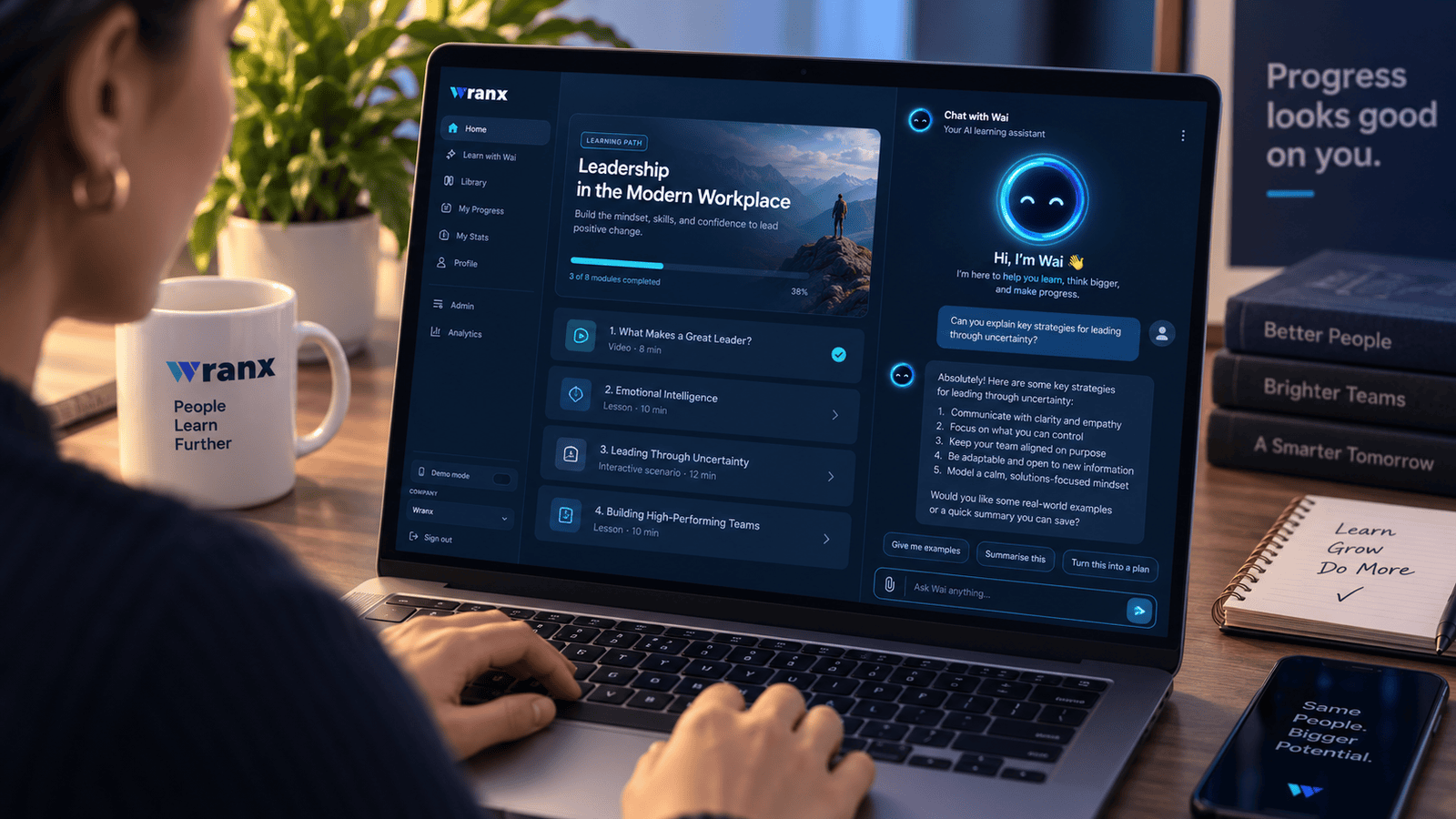
Opt for a platform with an intuitive and user-friendly interface. A clean and easy-to-navigate design enhances the overall learning experience and minimizes the learning curve for both administrators and employees.
Mobile Compatibility
In an era of remote work and diverse work environments, choose a platform that is compatible with various devices, including desktops, laptops, and mobile devices. This ensures that employees can access training materials anytime, anywhere.
3. Evaluate Content Quality and Variety
Rich Multimedia Content
Look for platforms that offer a variety of multimedia content, including videos, interactive simulations, and gamified elements. Engaging content enhances employee participation and contributes to better retention of information.
Customization Options
Assess the platform’s ability to customize content to align with your organization’s industry, values, and specific requirements. A tailored approach ensures that training content resonates with your workforce, making the learning experience more relevant and effective.
4. Assess Tracking and Analytics Features
Real-Time Progress Tracking
Choose a platform that provides robust tracking and analytics features. Real-time monitoring of employee progress allows administrators to identify areas of improvement, track completion rates, and measure the overall effectiveness of the training program.
Data Security Measures
Prioritize platforms that implement stringent data security measures. Given the sensitive nature of employee information, ensure that the platform adheres to industry standards for data protection, encryption, and secure authentication processes.
5. Investigate Integration Capabilities
Compatibility with Existing Systems
Consider how well the training platform integrates with your existing HR systems, learning management systems (LMS), and other relevant tools. Seamless integration ensures a cohesive and streamlined training process within your organization.
Future-Proofing
Select a platform that is scalable and adaptable to future technological advancements. The ability to integrate emerging technologies such as artificial intelligence and virtual reality ensures that your training program remains innovative and relevant over time.
6. Explore User Support and Training Resources
Responsive Customer Support
Assess the level of customer support provided by the platform. Responsive and knowledgeable support teams can address issues promptly, minimizing disruptions to the training process.
Training for Administrators
Ensure that the platform offers comprehensive training resources for administrators. A well-trained administrative team can maximize the platform’s features, customize training programs effectively, and troubleshoot any issues that may arise.
7. Consider Cost and Return on Investment (ROI)
Transparent Pricing Structure
Evaluate the platform’s pricing structure to ensure transparency and alignment with your budget. Some platforms offer a subscription-based model, while others may charge based on the number of users or features utilized.
Calculate ROI
Consider the long-term return on investment. While upfront costs are crucial, evaluate the potential savings in time, resources, and increased productivity that a well-implemented training program can bring to your organization.
8. Seek User Feedback and Reviews
Client Testimonials and Case Studies
Explore client testimonials and case studies to gain insights into the experiences of organizations that have implemented the platform. This firsthand feedback can provide valuable perspectives on the platform’s strengths and potential limitations.
Online Reviews and Ratings
Research online reviews and ratings from independent sources. Platforms with positive reviews and high ratings are more likely to deliver on their promises and meet the expectations of your organization.
Selecting the right online employee training platform is a strategic investment in the growth and development of your workforce. By carefully considering your organization’s objectives, assessing platform features, and evaluating user feedback, you can make an informed decision that aligns with your unique needs.
Remember that the ideal platform is not a one-size-fits-all solution. It should be a tailored fit for your organization’s goals, industry requirements, and the diverse learning preferences of your workforce. With a thoughtful and systematic approach, you can embark on a journey towards a more skilled, engaged, and productive workforce, empowered by the capabilities of a robust online employee training platform.
See how Wranx microlearning platform can enhance employee training at your organization. Click here to learn more.