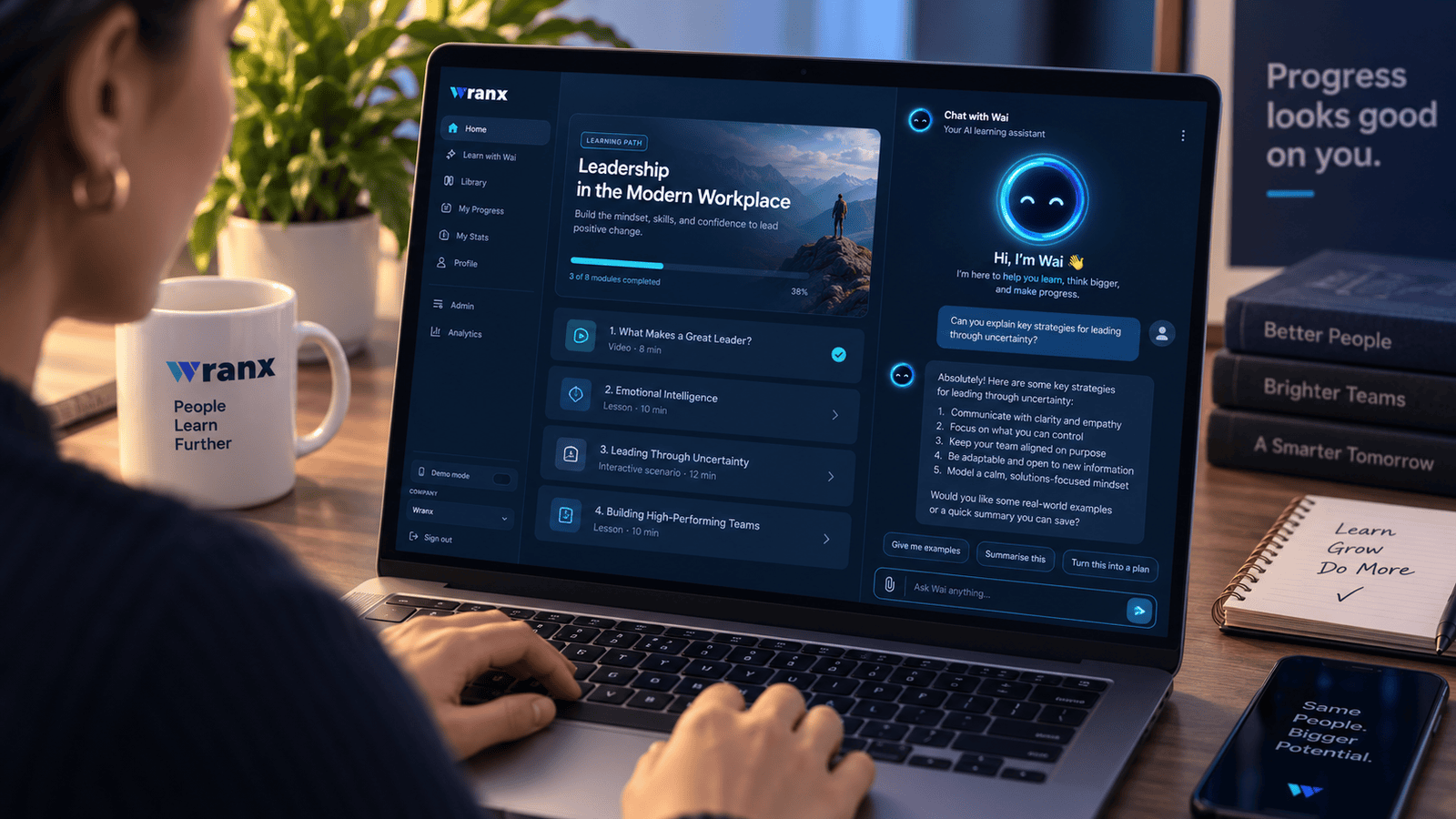
The need for digital skills in the boardroom
Here in the world of eLearning, we talk of the rise in the workforce of Millennials and how they react and interact with technology. We discuss the increasing demands of our new digital workforce for communication. With the workplace becoming our learning space, a digitally connected world of work is what we seek, what we’ve come to expect, and increasingly, what we need.
Companies bring in eLearning providers, encouraging this digital workplace culture. We embrace it, and celebrate its many benefits. The Millennial workforce enjoys engaging and interacting in this way. They would. It is after all, their world. They are the digital natives.
What about the boardroom? Can the same enthusiasm be expected from CEOs and other members of the management structure? Do they share our passion? Our experience? Do they even share our knowledge of the digital age? Or is it a world they fear, absolutely necessary but at the same time totally unfathomable?
It may be time to reboot the boss.
There is certainly a gap in digital skills at senior management level, and for a variety of reasons. The point about the Millennials isn’t a joke. Those who were born after the mid 80s are the first generation to be born into a world of digital technology. They’ve grown with it, and it has grown and developed with them. As they join the workforce, they expect to be using technology as part of their working day. It’s essential that leaders not only understand the trend, but also the specifics of the technology.
CEOs seek growth for their business. In the coming years, the digital transformation which is influencing all aspects of our work lives will gain momentum. Those organisations who align themselves from the top down with this transformation will benefit greater and faster. If you wish to harness this technology to help your growth and productivity then knowing it exists simply isn’t enough. Executives now need to fully understand how and why the technology works.
21st Century businesses need 21st Century leadership and good leaders will recognise the need to incorporate technology into every aspect of their business. Social media, for example, could be the answer to achieving connectivity across the workforce, from the top down. With that connection comes opportunity.
The opportunity to link and connect the entire workforce can help executives in the quest for growth. Engaging with eLearning platforms and encouraging a learning environment based on social learning means organisations are forward facing and future proofed. For the older generation, email has become the go-to digital communication method. While providing the simplicity and ease of access, it still retains an element of the formality they’ve grown use to. Social media, on the other hand, offers us the opportunity to share anything with individuals or selected groups. Sharing ideas, plans and projects across the workforce keeps everyone informed and aware.
It’s not just about sharing on a corporate basis. Business leaders such as Richard Branson and Elon Musk use their Twitter feeds to link to their personal blogs or particular schemes and initiatives. Mixing business with lighter, more personal content makes them appear more relatable and human, not to mention authentic (nobody else tweets on their behalf.) It’s about creating a balance. Tweets can be scheduled, obviously, but care must be taken. Anyone reading the tweets would instantly recognise if they were automated, which is an immediate turn off. Nobody likes a robot, after all.
Technology can work for us all. We’ve seen many developments over recent years, and the digital revolution will only gather pace in the coming years. Organisations need to be prepared for the exciting changes ahead. But can that happen if the people at the top are left behind? If those people aren’t engaged, can they really expect to reach the growth they seek for their organisations.
We may be due an executive upgrade – in more ways than one!