The Evolution of Mobile Learning

Mobile learning in the workplace is the future. In the next ten years, mobile learning will not be considered a choice, but a necessary mode of learning to stay competitive. It isn’t a fad, it isn’t a trend, and it doesn’t belong in the ‘ten minutes of fame’ category predicted by Andy Warhol; it is going to become the predominant method of learning for our ever growing mobile workforces.
But how did we get to this stage of development, and what’s next for mobile learning?
Mobile learning environments such as Wranx have come to be thanks to the increasing sales of mobile devices, the increasing share of mobile web traffic, and the increasing adoption of mobile devices in the workplace. All of these things have led to our current ‘mobile world’, a world where people expect content to be immediately accessible and technology to support a wide variety of different functions.
To give you can idea of how intertwined mobile internet devices (smartphones, tablets, laptops) are in our lives, in 2013 The Guardian reported that mobile internet devices were set to outnumber human beings. In the same coverage discussing a Cisco report, it was revealed that by 2017 the average smartphone will generate 2.7GB of data traffic a month and that mobile video will make up two-thirds of data transmitted worldwide. This shift in computing means that very soon the sales of smartphones and tablets will overtake the sales of PCs, fuelling dramatic change in the workplace.
Now that people are making mobile devices their medium of preference to access the internet, they are also making mobile devices their medium of preference for mobile learning. Mobile devices can be used for a wide variety of different things, from playing games, to checking glucose levels, to checking heart rates, to measuring distances, to banking, and employees expect to be able to perform work-related tasks on their mobile devices too, from document creation, to project management, to training.
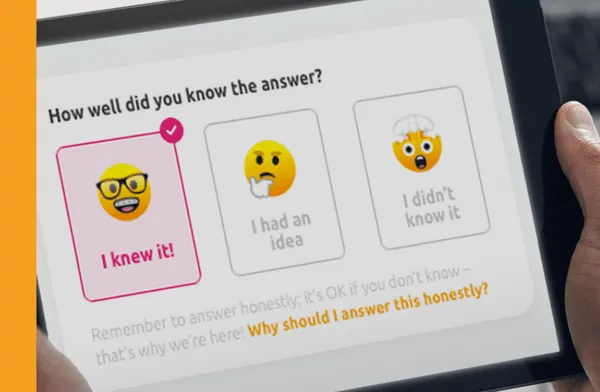
Learning and training for mobile workforces prior to the mobile revolution used involve travelling across time zones with costly transport and meeting expenses. But thanks to mobile devices, learning and training can be achieved in a cost-effective and efficient manner which limits downtime and increases performance. But how can organisations benefit from this technological shift? Simply, organisations need to invest in a mobile learning strategy that’s built alongside a mobile learning solution, such as Wranx for sales teams, Wranx for new starters, and Wranx for customer services.
Multimedia-12The Future of Mobile Learning
Not so far into the future, workforces are going to be tech-savvy, digitally connected, and work with a very different mindset to the mobile workforces of today. This ‘new-age’ workforce will have grown up with devices and they will consider search, sharing, collaboration, and creation on mobile devices the norm. They will have more creative freedom than the mobile workforces of today and going by the current rate of increase in the adoption of mobile devices in the workplace, learning and training on anything other than a mobile device – most probably a part of BYOD – will seem archaic.
It is inevitable that mobile learning will become a key consideration for CCOs and sales directors within the next five to ten years. It’s almost as if it is destined to happen as much as cloud computing, a concept which was universal since the inception of networks. But what form will it take? On-demand micro-learning, such as Wranx, and e-learning courseware, search, videos, podcasts, and articles are the likely form to see the most success, but social forms such as wikis, blogs, forums, social networks, coaching and mentoring will definitely have a place, as will performance support, feedback, and quality circles.
Whatever the case, as the mobile world evolves, so will the training world.
Here’s some quick mobile learning developments which we think will happen within the next five years:
-
Decision-makers will adopt mobile learning in the workplace to improve employee performance, particularly for programs that deliver real ROI like sales team training.
-
More advanced, rich, and dynamic mobile learning experiences will surface to keep up with hardware
-
The emergence of technologies such as Learning Analytics will play a larger role in mobile learning
-
NFC, Bluetooth, and other device capabilities will make mobile learning more interactive.